
Triaxial Saturator Mould in Triaxial Test
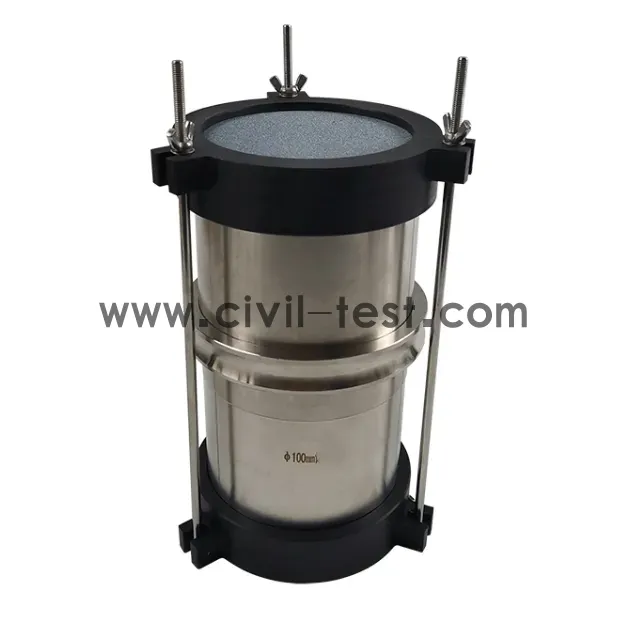
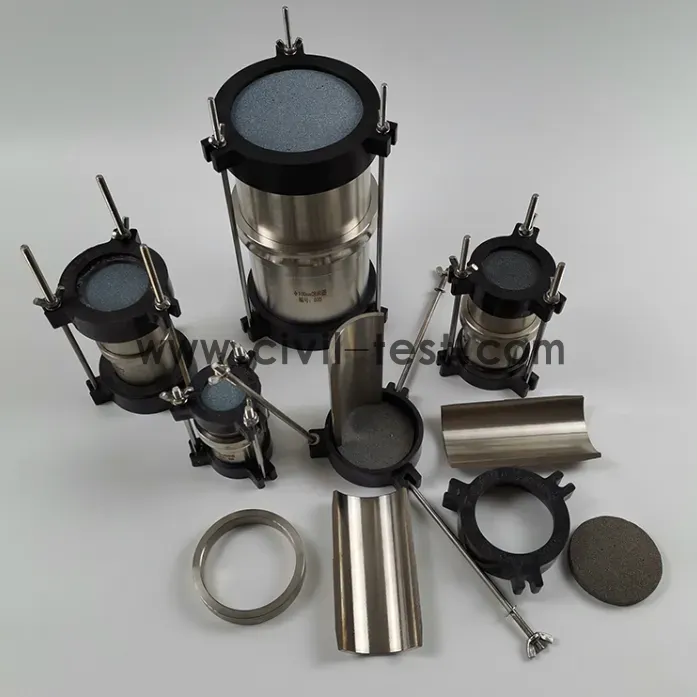
A triaxial saturator mould is a mold used in triaxial soil testing to prepare a soil specimen for saturation before a consolidated undrained (CU) or consolidated drained (CD) test.
The mould ensures the soil cylinder has the correct dimensions (e.g., 38mm or 50mm diameter).
It is used to create a cylindrical sample that is then sealed in a rubber membrane, placed in the triaxial cell,
and thoroughly saturated by flushing air out of the voids with water under pressure.
Purpose of the saturator mould
- To create a properly sized soil specimen: The mould is used to form a cylindrical soil sample of a specific diameter (e.g., 38mm or 50mm) for the test.
- To ensure consistent sample preparation: The mould helps create a sample with a consistent shape and size, which is essential for obtaining reliable and reproducible results from the triaxial test.
- To form a specimen for the saturation process: The mould's function is to produce a stable soil specimen that can then be placed in the triaxial cell for the saturation process.
Product Inquiry
Latest products
-
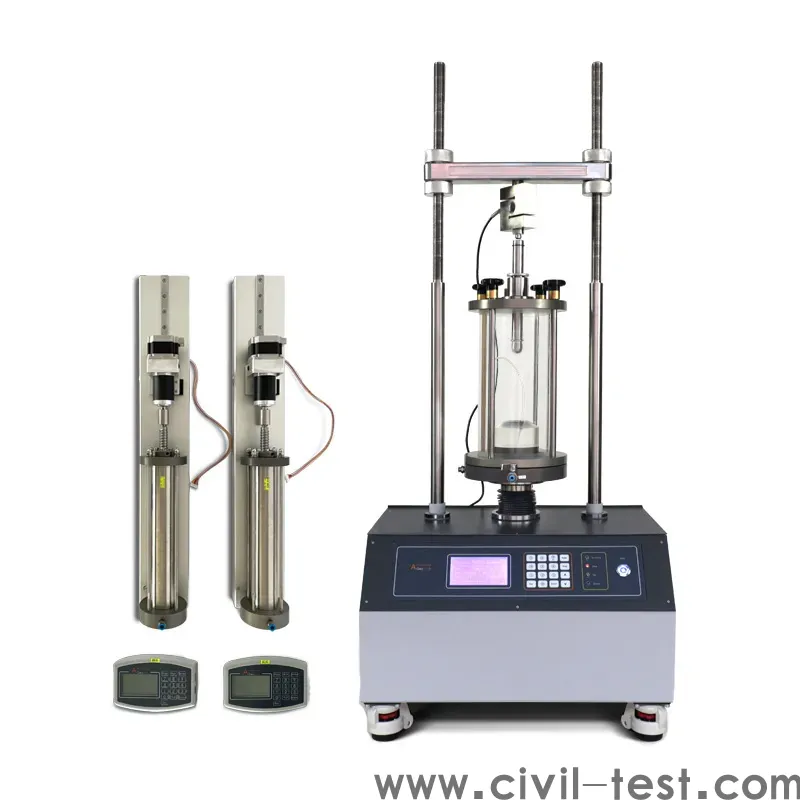
Automatic Triaxial Test Machine
-
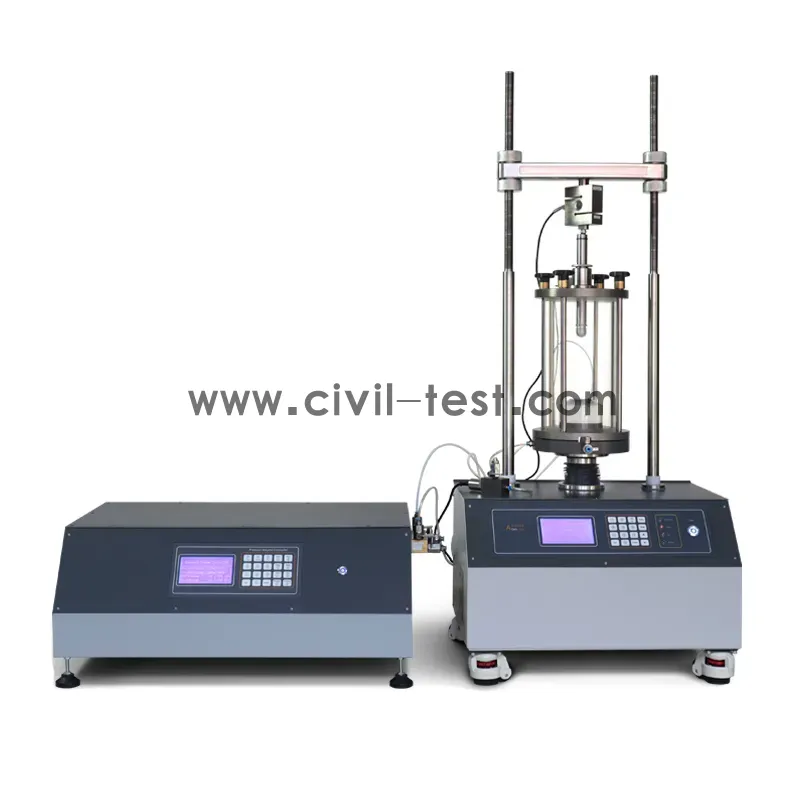
TST-A Series Semi-Auotomatic Triaxial Machine
-
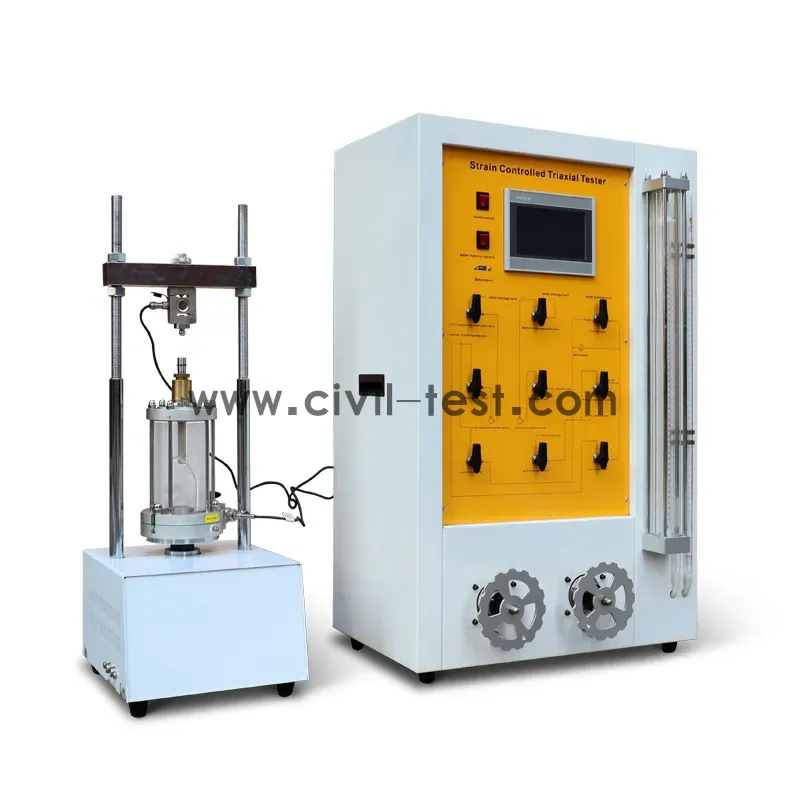
TST Series Mechanical Triaxial Testing Machine
-
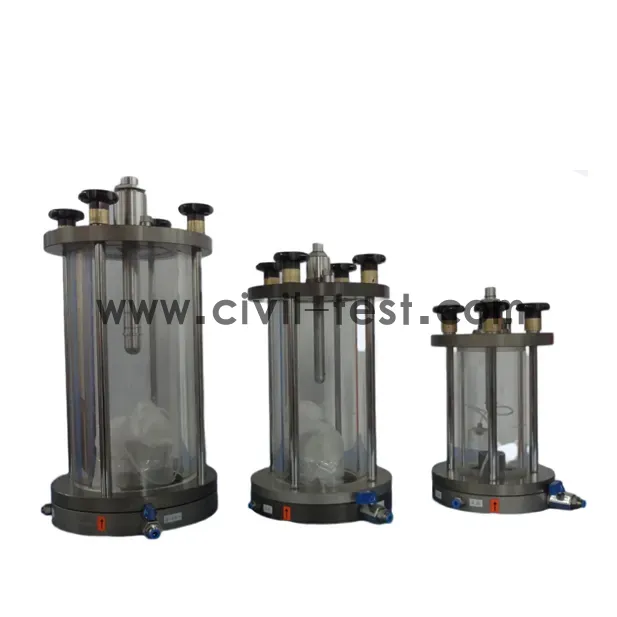
SX-TK-A Series Triaxial Cell
-
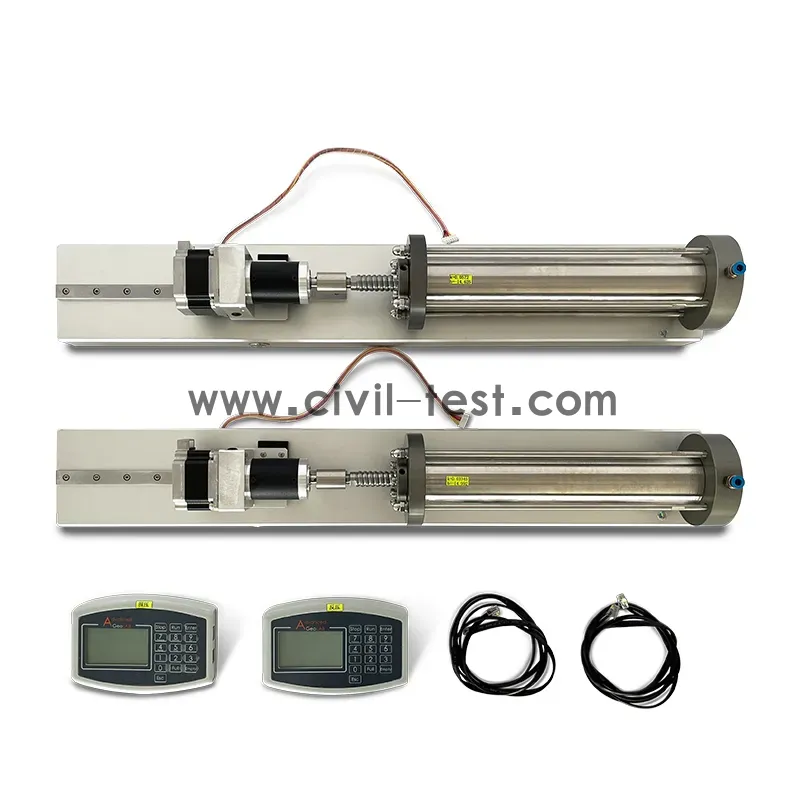
APC AIR PRESSURE CONTROLL NEW
-
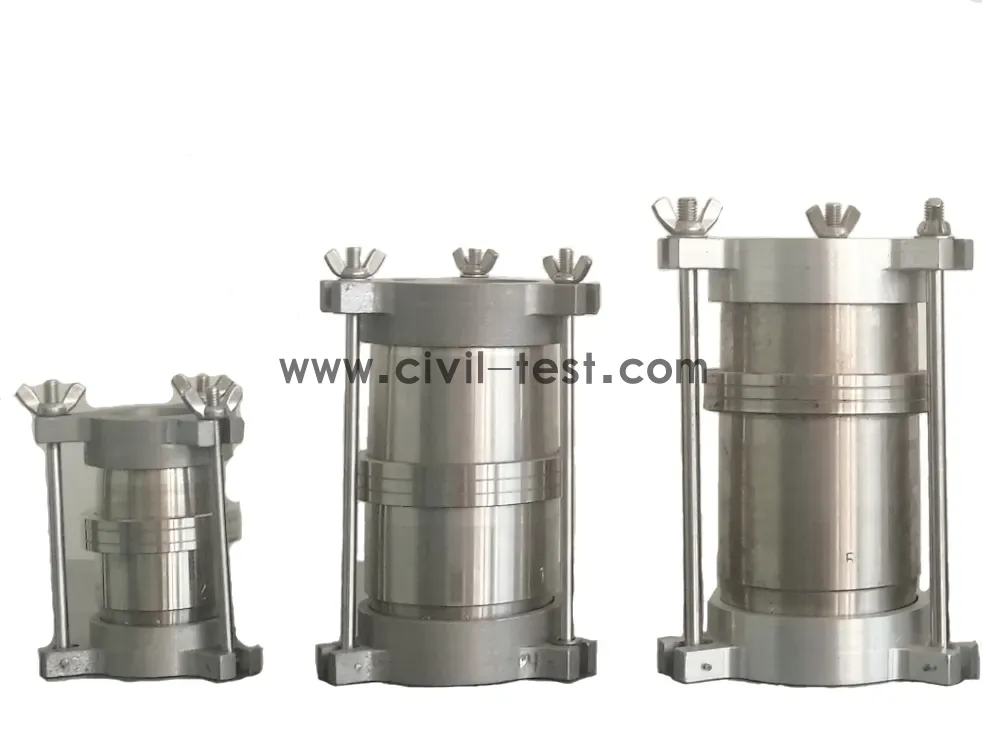
Triaxial Saturator Mould in Triaxial Test
-
APC-OLD Series Advanced Pressure Controller -TRIAXIAL TEST
-
Split Mould For Soil Triaxial Test Geotechnical Lab
-
Membrane Stretcher
-
Soil Lathe Wire Saw Triaxial Parts